
Workflows
Live feeds vs recorded videos: choose the workflow
Determining the feasibility of using live camera feeds or recorded footage for traffic analytics.
Choose the workflow by asking when the decision must be made and whether the same question will return. A fixed recording supports a bounded study; live analysis adds an ongoing operating arrangement. The difference is a service decision as well as a camera choice.
A defined observation window
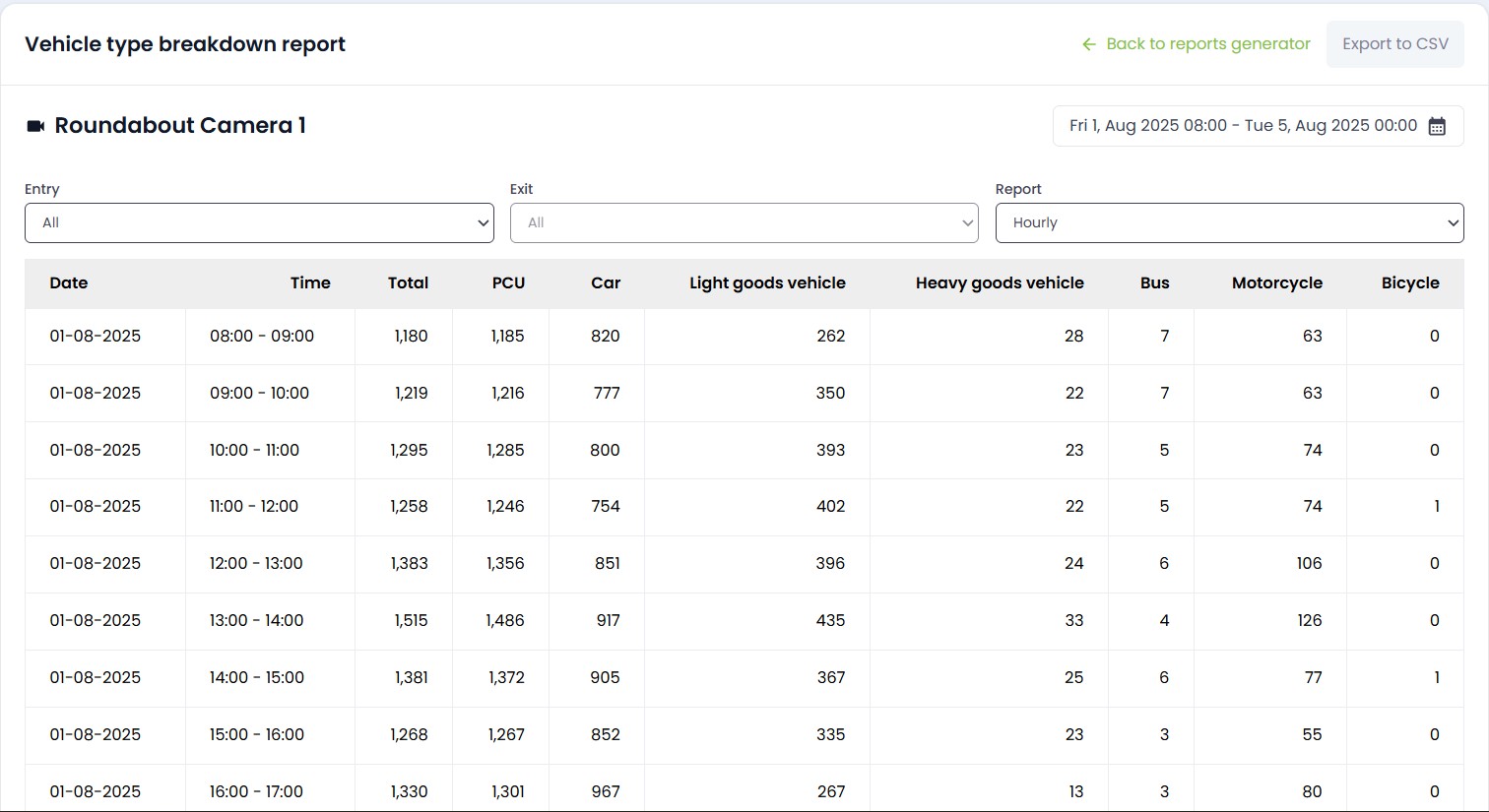
Recorded footage gives a study a clear time window. The scope can identify the recording period, movements, classes, and required report. It also gives the team a fixed source to revisit when checking how a result was produced. The observed period still needs to be interpreted in its context.
A recurring operational view
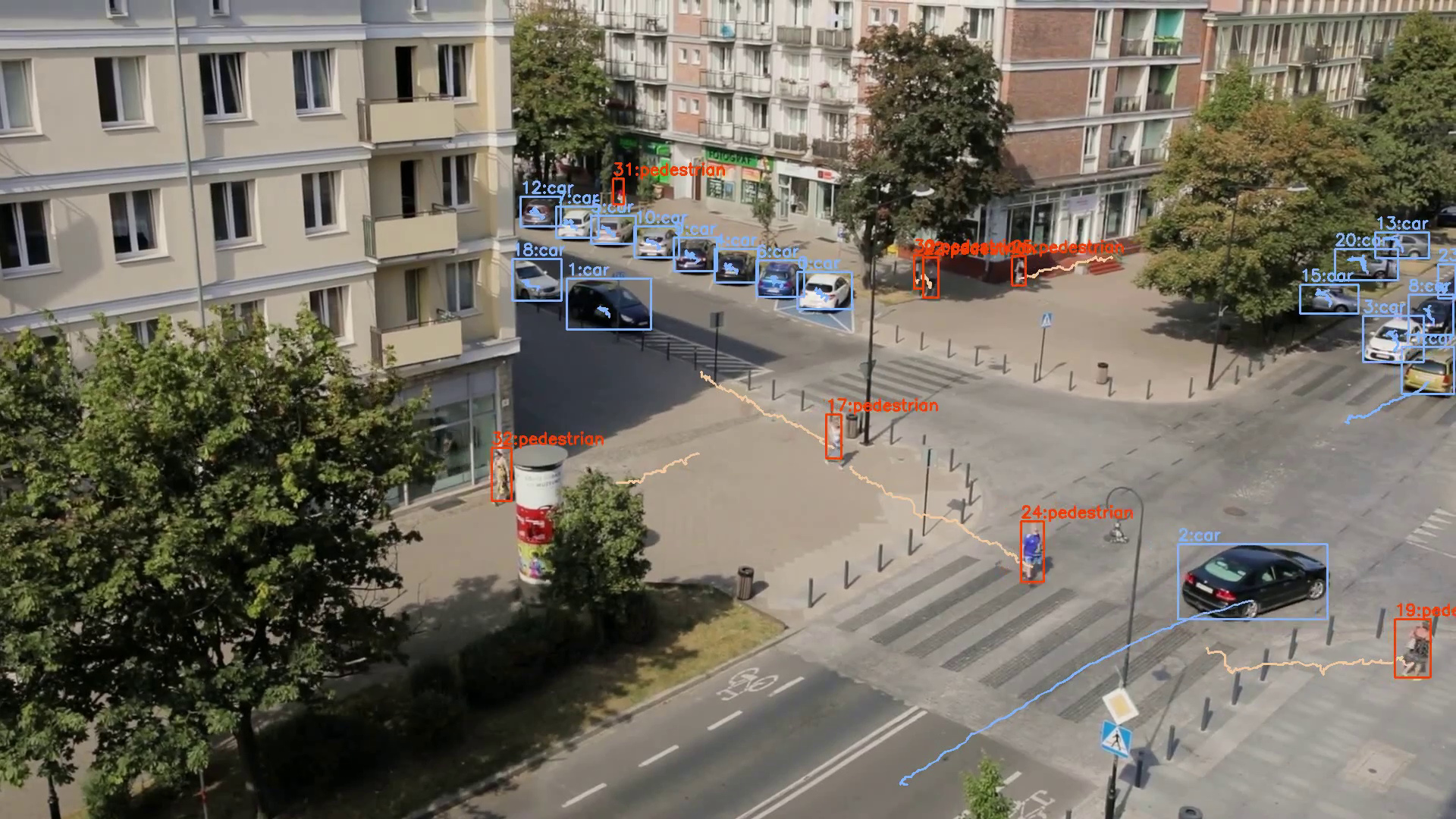
Ongoing analysis adds questions about camera access, connectivity, observation schedules, output availability and support. Agree what will be processed, when information is needed and who will use it. A live camera connection alone does not define a complete operational service.
Set responsibilities early
- Who supplies the footage and confirms access and permissions?
- Who defines the movements, classes and observation periods?
- Who receives the outputs and handles questions about them?
Keep comparisons meaningful
Use consistent definitions when comparing periods or locations. Check coverage, camera view, class selection and time intervals. A short recording and a longer-running system can inform different questions, even when their outputs look similar.
Consider a team reviewing a proposed layout, they may begin with recordings from selected periods. A team reviewing the same entrance each week needs to agree recurring inputs, reporting, and support. A recorded pilot can help assess the task before a recurring arrangement is considered.
There is no steadfast rule for whether a live camera or recorded video will be a better fit. It depends on a case-by-case basis. That being said, each method has its advantages that will help you converge to the right set-up.
Questions and discussion
Questions are reviewed before publication. Approved comments and replies appear here.
There are no published questions yet.